
Hands-on assistance with transfers and mobility
Attentive physical assistance for safer movement between spaces and positions at home.
Talk with our care team
01 / 03Safer movement
Support in everyday life
A helping hand with everyday movement.
For clients who need hands-on help moving safely during everyday routines.
Talk through your questionsMoving from bed to chair or getting from one room to another can call for extra support. Hands-on assistance is organized around assessed needs, the home environment, and the level of help identified in the individual service plan.
What support can include
- Bed and chair transfers
- Walking and mobility support
- Safety-focused positioning
Before we talk
Tell us where support is needed, what equipment is already used, and which times of day are most challenging. These practical details are useful when discussing the appropriate level of assistance.
The specific support provided depends on assessed needs, the individual service plan, and service availability. Your first conversation is an opportunity to ask what is appropriate for your situation.
Hands-on assistance with transfers and mobility
Plan support for each everyday move.
The help needed to move safely can vary by activity and setting. Discuss where hands-on assistance is required and the equipment or directions already in use.
The support discussed here is shaped by assessed needs, the individual service plan, and availability. Ask our team which arrangements may fit your situation.
Amanah Home Healthcare
Care that starts with you.
- 01
Describe the assistance needed when moving between a bed, chair, or other position. The appropriate approach is determined by assessed needs and the care plan.
Discuss this support 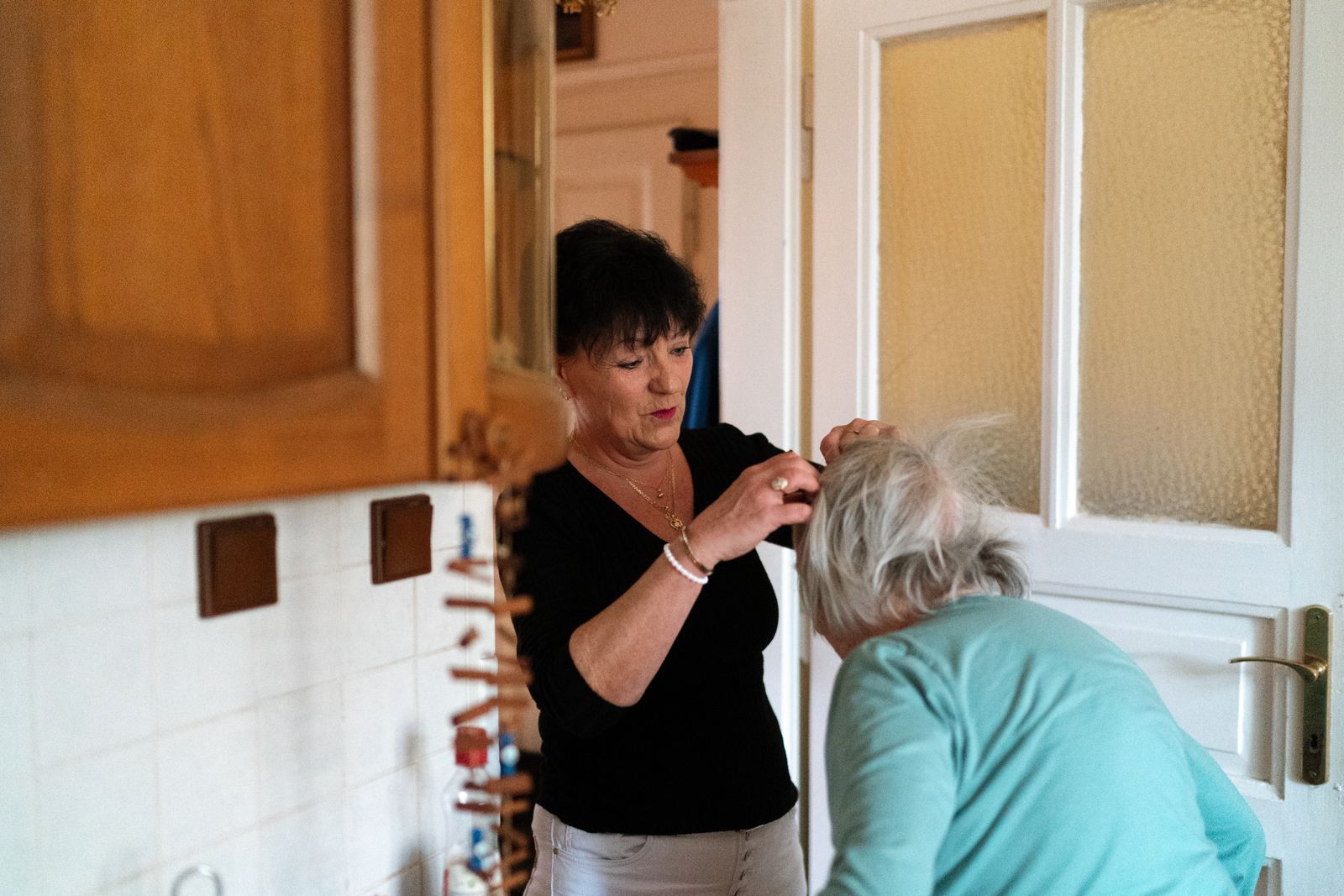 02
02Talk about the distances and spaces where walking support is needed. Include mobility aids and the level of help currently provided.
Discuss this support 03
03Explain the positions or transitions that are difficult during the day. Discuss how the agreed support fits with comfort, personal routines, and existing directions.
Discuss this support
Room for the everyday
What could a little more
support look like?
Explore a weekly routine, then talk with us about what fits your needs.
12 hours
of support across your week
3 days a week × 4 hours each day
Maybe mornings would feel easier with help getting ready. Perhaps meal preparation or household tasks are where support would make the biggest difference. Use this example to start thinking about the times that matter most to you.
Discuss your routineThis is a planning example, not a recommended schedule or a booking. Actual services and visit lengths depend on assessed needs, your service plan, and availability.
Questions about this service?
Whether you are arranging support for yourself or helping someone close to you, start with the questions on your mind. Call to discuss the service, availability, and what information would be helpful for the next step.